The Power of ERP: A Comprehensive Guide to NetSuite Oracle
Welcome aboard fellow business enthusiasts! In today’s fast-paced digital landscape, streamlining your operations and maximizing efficiency are key to staying ahead of the competition. That’s where Enterprise Resource Planning (ERP) systems like NetSuite Oracle come into play. This comprehensive guide will delve into the power of ERP, specifically focusing on the capabilities and benefits of the popular NetSuite Oracle platform. So sit back, relax, and let’s dive into the world of ERP together!
Overview of Netsuite ERP by Oracle
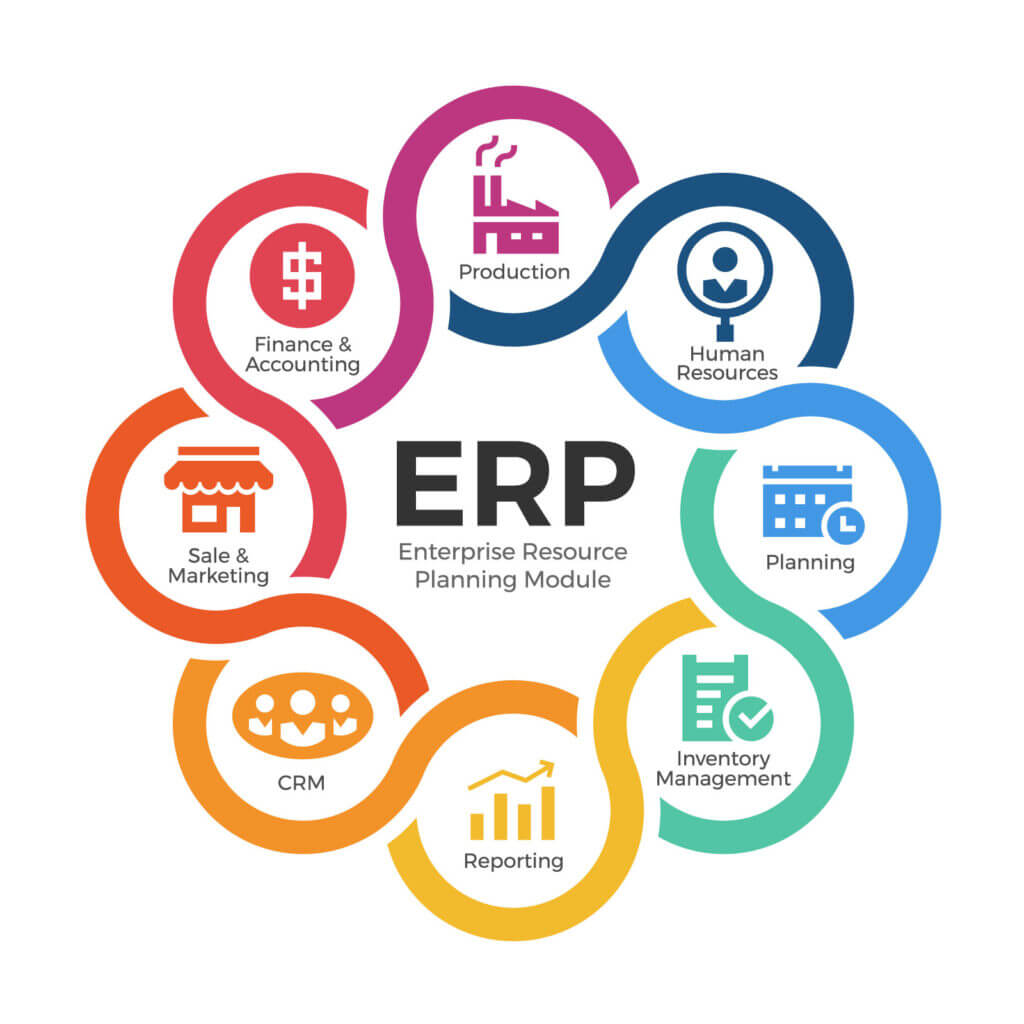
Netsuite ERP by Oracle is a cloud-based software solution that helps organizations streamline their business processes and improve overall efficiency. It offers a comprehensive suite of tools that cover various aspects of business operations, including financial management, inventory management, order management, customer relationship management, and more. With Netsuite ERP, companies can centralize their data, automate routine tasks, and gain valuable insights to make informed decisions.
One of the key benefits of Netsuite ERP is its scalability. Whether you are a small startup or a large enterprise, Netsuite can adapt to your changing needs and grow with your business. Its modular design allows you to customize the platform to suit your specific requirements, ensuring that you only pay for the features that you need. This flexibility makes Netsuite a cost-effective solution for businesses of all sizes.
Another advantage of Netsuite ERP is its cloud-based nature. This means that you can access your data and applications from anywhere with an internet connection, making it easy for remote teams to collaborate and stay productive. Additionally, cloud-based ERP systems are typically more secure and reliable than on-premise solutions, as they are regularly updated and maintained by the vendor.
Netsuite ERP also offers advanced analytics and reporting capabilities, allowing you to track key performance indicators, identify trends, and measure the success of your business strategies. By leveraging real-time data, you can make data-driven decisions and quickly respond to changing market conditions. This level of insight is invaluable for staying competitive in today’s fast-paced business environment.
In addition to its core ERP functionality, Netsuite offers a range of industry-specific solutions and integrations that cater to unique business needs. Whether you are in retail, manufacturing, healthcare, or any other sector, Netsuite has tools to help you streamline your operations and drive growth. These specialized solutions can save time and resources by automating industry-specific processes and ensuring compliance with regulations.
Overall, Netsuite ERP by Oracle is a powerful and versatile platform that can revolutionize the way you run your business. From financial management to supply chain optimization, Netsuite offers a comprehensive suite of tools to help you achieve your goals. By harnessing the power of cloud technology and advanced analytics, Netsuite empowers organizations to innovate, adapt, and thrive in today’s digital economy.
Benefits of Implementing Netsuite ERP
NetSuite ERP is a powerful software solution that can bring numerous benefits to a business. One of the key advantages of implementing NetSuite ERP is the ability to streamline and automate business processes. With NetSuite ERP, companies can consolidate all their data and workflows into one centralized system, eliminating the need for multiple systems and manual data entry. This can significantly increase efficiency and productivity, as employees no longer have to spend time moving data between different systems or manually inputting information.
NetSuite ERP also provides real-time visibility into business operations, allowing companies to make faster and more informed decisions. With access to up-to-date data and analytics, businesses can quickly identify trends, spot opportunities, and address any issues before they escalate. This level of visibility can be invaluable for businesses looking to stay competitive in today’s fast-paced market.
Another benefit of implementing NetSuite ERP is the scalability it provides. As businesses grow and evolve, their ERP needs may change. NetSuite ERP is designed to scale with businesses, allowing them to add new users, functionalities, and locations as needed. This scalability ensures that companies can continue to rely on NetSuite ERP as their business expands, without the need to invest in a new system.
In addition, NetSuite ERP is a cloud-based solution, which offers several advantages over traditional on-premise systems. Cloud-based ERP systems are typically more cost-effective and easier to maintain, as they do not require expensive hardware or IT resources. They also offer greater flexibility and accessibility, as employees can access the system from anywhere with an internet connection. This can be particularly beneficial for companies with remote or distributed teams.
Furthermore, NetSuite ERP is highly customizable, allowing businesses to tailor the system to their specific needs and requirements. Whether companies need to add new features, integrate with other systems, or create custom reports, NetSuite ERP can be easily adapted to suit their unique processes. This level of customization can help businesses improve operational efficiency, enhance customer service, and drive growth.
Overall, implementing NetSuite ERP can provide businesses with a wide range of benefits, from streamlining processes and improving visibility to increasing scalability and customization. By leveraging the power of NetSuite ERP, companies can stay competitive, adapt to changing market conditions, and drive business growth.
Integration Capabilities of Netsuite ERP with Oracle Systems
When it comes to integrating Netsuite ERP with Oracle systems, businesses can benefit from a seamless connection between their core financial and operational processes. The integration capabilities of Netsuite ERP with Oracle systems allow for real-time data synchronization, eliminating the need for manual data entry and reducing the risk of errors. This integration also enables businesses to streamline their workflows and improve overall efficiency.
One of the key integration capabilities of Netsuite ERP with Oracle systems is the ability to sync data across different modules and applications. This means that data entered into Netsuite ERP can be automatically transferred to Oracle systems, ensuring that all stakeholders have access to the most up-to-date information. This real-time data synchronization not only saves time but also improves the accuracy of financial reporting and decision-making.
Additionally, the integration capabilities of Netsuite ERP with Oracle systems extend beyond just data synchronization. Businesses can also leverage the power of Oracle’s advanced analytics and reporting tools to gain deeper insights into their financial and operational performance. By combining the strengths of Netsuite ERP with the analytical capabilities of Oracle systems, businesses can make more informed decisions and drive business growth.
Furthermore, the integration capabilities of Netsuite ERP with Oracle systems allow businesses to automate repetitive tasks and streamline processes. For example, businesses can set up automated workflows that trigger actions in Oracle systems based on specific events in Netsuite ERP. This not only saves time and reduces manual intervention but also helps businesses stay agile and responsive to changing market conditions.
In conclusion, the integration capabilities of Netsuite ERP with Oracle systems offer businesses a powerful solution for streamlining their financial and operational processes. From real-time data synchronization to advanced analytics and automation, this integration enables businesses to improve efficiency, accuracy, and decision-making. By leveraging the strengths of Netsuite ERP and Oracle systems, businesses can stay ahead of the competition and drive business growth in today’s fast-paced digital landscape.
Customization Options in Netsuite ERP
One of the key features of Netsuite ERP is its high degree of customization options available to users. These customization options allow businesses to tailor the ERP system to fit their specific needs and workflows. From custom fields to custom scripts, there are numerous ways in which users can modify Netsuite to better suit their requirements.
1. Custom Fields: Netsuite allows users to create custom fields within records to store additional information that may be unique to their business. These custom fields can be added to standard records such as customers, vendors, and items, providing users with the flexibility to track data that is specific to their operations. For example, a company may create custom fields within the customer record to track industry-specific information or customer preferences.
2. Custom Forms: In addition to custom fields, Netsuite also allows users to create custom forms that are tailored to their business processes. Custom forms can be designed to streamline data entry and ensure that users are only entering information that is relevant to their operations. This can help improve efficiency and accuracy within the ERP system.
3. Custom Workflows: Netsuite offers users the ability to create custom workflows that automate business processes and ensure that tasks are completed in a timely manner. Custom workflows can be designed to trigger actions based on specific events or conditions, helping to streamline operations and reduce manual work. For example, a custom workflow could be created to automatically send email notifications to customers when an order has been shipped.
4. Custom Scripts: One of the most powerful customization options available in Netsuite is the ability to create custom scripts using SuiteScript, Netsuite’s JavaScript-based scripting language. Custom scripts can be used to extend the functionality of Netsuite, automate complex business processes, and integrate with external systems. With custom scripts, users can create customizations that are tailored to their specific needs and workflows.
Custom scripts can be used to perform a wide range of tasks within Netsuite, such as calculating custom pricing, validating data entry, and generating custom reports. The flexibility of custom scripts allows businesses to create highly tailored solutions that meet their unique requirements. Additionally, Netsuite provides users with access to a robust community of developers and resources to help them create and troubleshoot custom scripts.
In conclusion, Netsuite ERP offers users a wide range of customization options to tailor the system to fit their specific needs. From custom fields to custom scripts, businesses can create highly specialized solutions that help improve efficiency, accuracy, and automation within their operations. By taking advantage of customization options in Netsuite, businesses can optimize their ERP system to better support their unique requirements and workflows.
Future Trends in Netsuite ERP Development
As the business landscape continues to evolve, the future trends in Netsuite ERP development are becoming increasingly important. Here are some key trends to watch out for:
1. Artificial Intelligence (AI) Integration: One of the most exciting developments in Netsuite ERP is the integration of AI. AI-powered tools can help businesses automate processes, improve decision-making, and enhance customer experiences. With AI capabilities integrated into Netsuite ERP, businesses can streamline operations, boost productivity, and drive innovation.
2. Internet of Things (IoT) Connectivity: The IoT is revolutionizing the way businesses operate by connecting devices, sensors, and systems to gather real-time data. Netsuite ERP is expected to leverage IoT connectivity to enable businesses to track assets, monitor inventory levels, and optimize operations. With IoT integration, Netsuite ERP can provide businesses with valuable insights and enhance decision-making processes.
3. Mobile Optimization: With the increasing use of mobile devices, Netsuite ERP development is focusing on providing mobile optimization. This trend enables businesses to access important data and functionalities on-the-go, allowing for greater flexibility and efficiency. Mobile optimization in Netsuite ERP can help businesses stay connected, make informed decisions, and drive growth.
4. Enhanced Data Security: Data security is a top priority for businesses, especially with the rise of cyber threats. Netsuite ERP development is incorporating enhanced security features to protect sensitive information and prevent unauthorized access. By implementing robust security measures, Netsuite ERP can help businesses mitigate risks, comply with regulations, and safeguard their data.
5. Customization and Personalization: A major trend in Netsuite ERP development is the focus on customization and personalization. Businesses are looking for ERP solutions that can be tailored to their unique needs and preferences. Netsuite ERP is evolving to provide customizable modules, flexible configurations, and personalized user experiences. This trend allows businesses to adapt their ERP system to suit their specific requirements, improve user adoption, and enhance overall performance.
In conclusion, the future trends in Netsuite ERP development are geared towards leveraging advanced technologies, enhancing user experiences, and optimizing business operations. By staying abreast of these trends, businesses can harness the full potential of Netsuite ERP to drive growth, efficiency, and innovation.
Originally posted 2025-05-16 05:56:45.